Even among those who are financially savvy, the belief that insurance is just "wasted money" continues to exist. This doubt arises from a lack of understanding regarding its primary role: rather than being merely a cost, insurance serves as a smart financial strategy designed to safeguard wealth. For wealthy individuals, grasping this important concept shifts their view of insurance from an expense to an essential element in protecting their assets.
Risk Pooling: The Mathematics of Shared Protection
The fundamental idea of insurance is centered around an actuarial efficiency that many don’t fully grasp. Insurers gather premiums from a large number of policyholders to evenly spread the financial burden of infrequent but devastating events. Wealthy individuals, who may encounter specific risks—such as \(50 million in liability claims, 20 million medical emergencies, or 100 million in business disruptions—are particularly benefited by this approach. For instance, paying a $50,000 yearly premium for a $50 million umbrella policy allows them to manage a huge risk for just a small fraction of its overall cost, a benefit unmatched by any other financial tool. Thus, this expenditure is not simply wasted, but rather a careful approach to risk pricing informed by statistical likelihood.
Opportunity Cost Optimization: Freeing Capital for Growth
Insurance allows access to funds that would otherwise remain unused as risk reserves. Wealthy individuals lacking adequate coverage must keep a large amount of liquid assets available to cover potential liabilities, health emergencies, or interruptions in business, resulting in low returns. By paying for premiums to manage these risks, they can shift millions from low-return reserves into high-yield investments. For example, a yearly budget of \(100,000 for insurance could eliminate the need to hold \(5 million in unused cash, thus enabling those funds to earn 8-10% annually in more productive investments. This efficient use of capital highlights a crucial economic advantage of insurance: converting defensive funds into opportunities for growth.

Tail Risk Mitigation: Protecting Against Wealth Erosion
Wealthy investors face serious dangers from “tail risks”—rare but disastrous events. Issues like a major lawsuit, unexpected medical expenses, or losing a vital team member can wipe out years of savings. Regular investments don’t provide protection against these risks, so insurance becomes the only way to manage them. Paying for insurance is a small price to prevent losses that might reduce net worth by 30-50%, which is an important consideration for anyone trying to safeguard large assets.

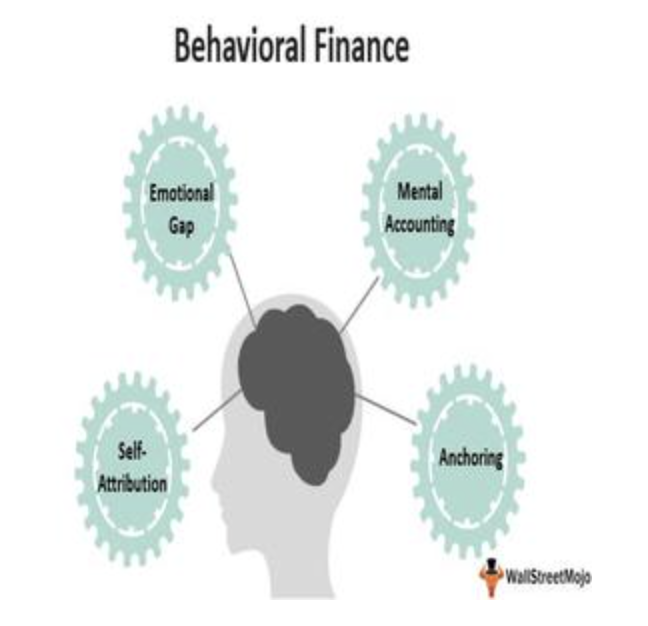
Behavioral Finance Benefits: Reducing Decision Risks
Insurance provides mental clarity, helping to avoid hasty emotional responses in tough situations and stopping panic-driven asset liquidations. For those running businesses, key person insurance supports thoughtful succession planning instead of reactive measures. This careful approach helps to safeguard wealth by sticking to a strategy, which is not reflected in premiums but is crucial for achieving long-term success.
Rather than being "money down the drain," insurance acts as an advanced tool for transferring risk, offering benefits that are mathematical, strategic, and behavioral. For wealthy individuals, it serves as a vital means of protecting their assets by turning minor, expected expenses into a safeguard against dangers that could undermine years of achievement. Its true value comes from mitigating risks and maintaining opportunities.
