Wealthy people need to know the specific functions of medical insurance and critical illness coverage when creating a complete protection plan. Every one of these products serves a unique purpose, targeting various aspects of financial risk connected to health.
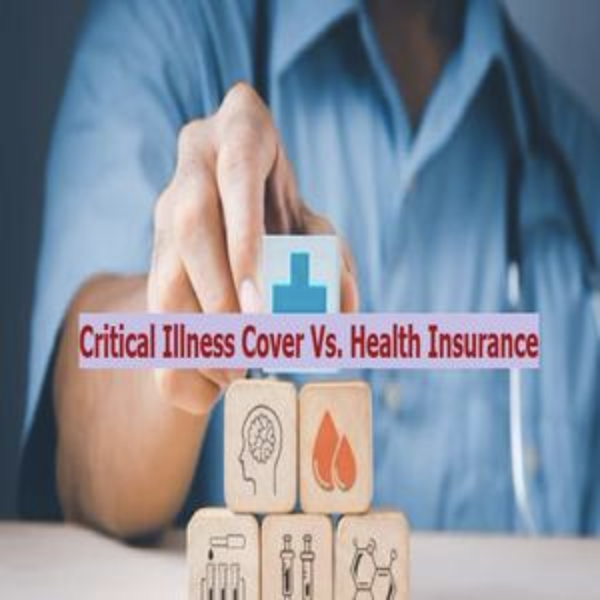
Functional Foundations: Reimbursement vs. Lump Sum
Medical insurance serves as a financial safety net that responds to healthcare needs as they happen. It usually reimburses patients for expenses related to treatments, hospital admissions, medications, and various procedures, thereby reducing the cost burden associated with medical care. For affluent individuals, top-tier medical plans often feature access to high-end facilities, tailored care coordination, and coverage for advanced treatments or international medical services—elements that meet the high standards for quality healthcare access.
On the other hand, critical illness insurance serves as a way to protect your finances in advance. When an individual is diagnosed with a serious illness—like specific cancers, heart attacks, or neurological conditions—it offers a one-time cash payout regardless of the actual medical expenses incurred. This payment provides financial flexibility to manage the wider impacts of a major health crisis, extending beyond just direct healthcare costs.

Financial Impact: Treatment Costs vs. Lifestyle Preservation
The protection provided by these financial products varies widely. Medical insurance specifically aims to reduce the expenses related to healthcare services. It guarantees that you can obtain necessary treatments without exhausting savings or interrupting your investment plans. For those who expect high-quality healthcare, this means they can continue seeing top doctors and receiving advanced treatments without worrying about costs.

On the other hand, critical illness coverage looks at the financial impact of serious health issues. This type of coverage can provide income support while you recover, assist with lifestyle changes, help manage business interests if you are away for a long time, or pay for experimental treatments that aren't fully included in medical insurance. For wealthy individuals, receiving this lump sum maintains their financial freedom, enabling them to keep investing, plan their estates, and secure their family's finances during difficult periods.
Customization Dimensions: Care vs. Circumstance
The various customization options for each product showcase their specific functions. High-end medical plans stand out by offering unique features like concierge services, direct access to doctors, and coverage for specialized treatments that meet the needs of clients who expect more. They aim to improve both the quality and accessibility of healthcare.
On the other hand, critical illness policies provide customization focused on how payouts are structured and the extent of coverage. Premium plans might offer wider definitions of covered medical conditions, quicker payout choices, or extra benefits for chronic illnesses that require ongoing care. These aspects acknowledge that serious illnesses can affect all parts of a wealthy lifestyle, including business operations and family safety.
For individuals with significant resources, relying on just one product is not enough for comprehensive protection. Medical insurance ensures access to outstanding care, while critical illness coverage helps protect your finances during difficult health crises. Recognizing how these two products complement each other is essential for a strategy that meets urgent healthcare needs and supports long-term financial stability.
