For wealthy individuals with a strong understanding of finance, the difference between buying insurance and purchasing lottery tickets highlights two very different financial approaches. Although both involve spending money, the core nature, consequences, and mental motivations behind these actions are fundamentally distinct.
The Paradox of Risk and Reward
Insurance serves as a carefully designed system to reduce risk. Take, for instance, a well-known business owner who recognizes the unpredictable nature of their sector. By securing thorough business interruption coverage, they ensure that if an unexpected event, like a natural disaster, disrupts their operations, they will recover a large part of their lost income. This decision is made to seek security, where regular payments act as a buffer against possible financial distress.
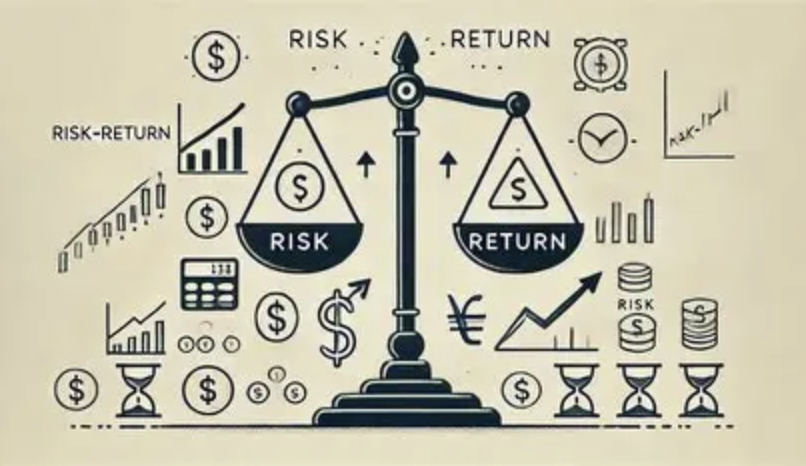
In contrast, entering a lottery means taking a chance without knowing the outcome. The incredibly low chances of winning, often millions to one, make it a gamble. For instance, despite the tempting prize of a huge jackpot, the odds of a ticket holder becoming wealthy are similar to the odds of being hit by lightning several times. This clear difference between the strategic risk management of insurance and the randomness of playing the lottery highlights their essential differences.
Financial Sustainability and Asset Preservation
Insurance plays a crucial role in ensuring financial strength for wealthy individuals. Consider a luxury real estate investor who obtains an extensive property insurance policy. If a disaster like a fire or a flood were to damage their multimillion-dollar home, the insurance payment would not just cover the repair costs but also protect the value of their investment portfolio. This safety net helps maintain their lifestyle and financial stability.
In stark contrast, buying lottery tickets often leads to financial loss. The money spent on these tickets, no matter how often it is purchased, seldom generates a profit. For those with high incomes, the total amount spent on lottery tickets over time can reach a significant figure. If this money were instead invested in more effective options like stocks or bonds, it could significantly aid in building wealth.
Psychological Motivations and Behavioral Economics
The reasons people buy insurance and lottery tickets are very different. When it comes to insurance, choices are usually made through careful thought, showing financial wisdom. Wealthy individuals see insurance as a vital way to safeguard their hard-earned assets. This approach gives them peace of mind, allowing them to concentrate on growing their businesses or pursuing personal interests without worrying about potential financial loss.
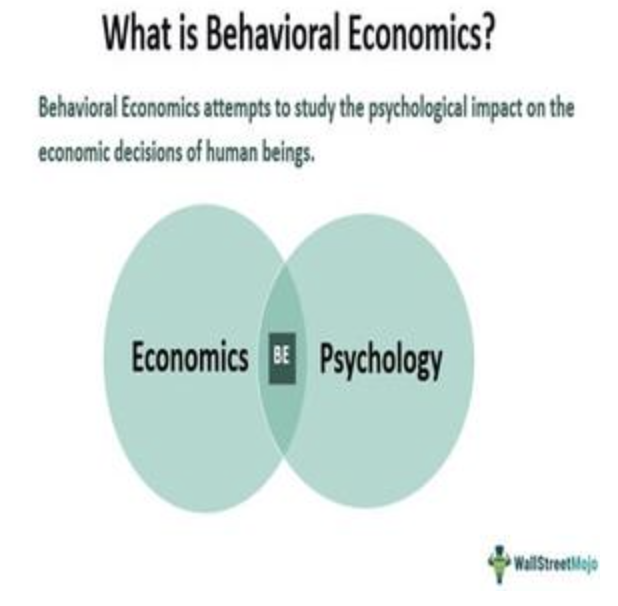
On the other hand, buying lottery tickets is driven by the exciting chance of winning big. The idea of sudden wealth creates a rush, exploiting our natural inclination to believe we can get lucky. This reaction can lead to spontaneous or even compulsive buying, which is quite different from the careful planning that insurance involves.
For those with considerable wealth, insurance is seen as a key strategy for managing risks and protecting assets, while playing the lottery is viewed as a temporary escape that lacks real financial value.