At a quick look, both getting insurance and buying lottery tickets seem similar as they both require spending money for potential future benefits. However, for wealthy individuals facing intricate financial situations, the difference between the two is significant—insurance creates long-term safety, whereas lottery tickets depend on luck. Knowing how these options differ goes beyond just understanding finances; it’s about selecting approaches that support maintaining and enhancing the life you've created.

Purpose: Proactive Control vs. Passive Hope
Insurance is based on managing risks intentionally to protect what matters to you. For wealthy individuals, this involves carefully planning to secure their assets, income, and family stability. A premium life insurance policy does more than provide a payout after death; it is also designed to cover estate taxes, maintain business operations, and allow for tax-efficient growth for beneficiaries. Coverage for critical illnesses serves as a financial safety net, enabling access to the best medical care without significantly impacting savings, thus preserving your way of life in tough times. In contrast, lottery tickets depend on mere chance, offering a possibility of large winnings that might never happen. They don’t involve any planning, risk analysis, or consideration of your actual financial situation, just the wish that luck will triumph over odds. For individuals who have achieved wealth through careful strategies, this dependence on luck stands in stark contrast to the discipline that led to their accomplishments.
Financial Mechanics: Investment vs. Consumption
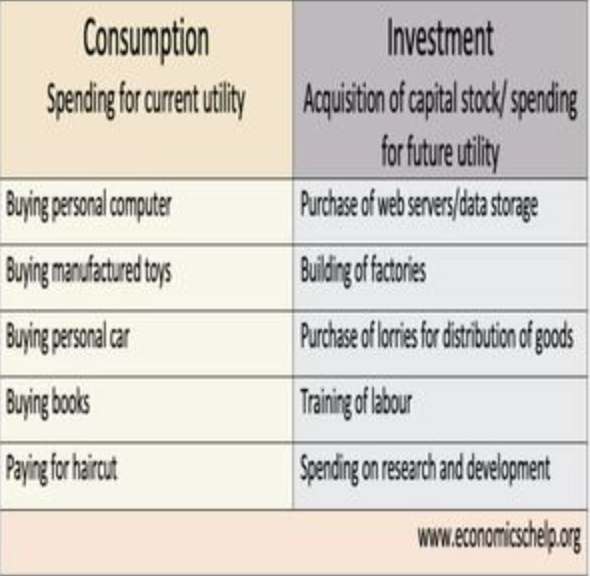
The financial dynamics of insurance and lottery could not be more different. Elite insurance products, particularly permanent life policies or annuities, function as appreciating assets with guaranteed returns and tax advantages. Cash value in these policies grows over time, accessible for everything from funding a child’s education to seizing business opportunities, effectively turning premium payments into a long-term investment. They integrate with broader financial plans, complementing portfolios and trusts to enhance wealth preservation. Lottery tickets, however, are pure consumption—money spent with no residual value if luck doesn’t strike. Even when tickets win, the windfall often arrives without structure: lump sums that require sudden mastery of wealth management, estate planning, and tax strategy—skills most lottery players lack. For high-net-worth individuals accustomed to strategic asset allocation, this unstructured approach to wealth acquisition is inherently risky.
Long-Term Impact: Legacy vs. Disruption
Insurance helps preserve family legacies over time. With irrevocable trusts backed by life insurance, wealth can be transferred easily while avoiding probate and estate taxes. Long-term care riders shield family assets from medical expenses, safeguarding inheritances. These financial tools provide families with the stability needed to navigate tough situations. In contrast, winning the lottery seldom brings enduring advantages; sudden wealth can upset lives, damage relationships, encourage reckless spending, and result in poor financial management, making it an ineffective alternative to reliable insurance protection.

Psychological Value: Confidence vs. Distraction
Insurance builds a sense of confidence for successful individuals, allowing them to embrace calculated risks while knowing they have a strong foundation. It removes the fears of "what if," enabling a focus on personal growth. In contrast, participating in the lottery often leads to distraction; it shifts attention away from effective wealth-building methods and into the realm of speculation. Time spent pursuing lottery winnings could enhance financial planning or support family well-being, which could weaken the discipline required for achieving prosperity.In the end, insurance and the lottery embody two different mindsets: one offers empowerment through control and foresight, while the other entices with the unpredictability of chance. For those with significant wealth, the choice reflects their dedication, strategy, and vision.