Return-of-premium (ROP) insurance offers a unique feature: it gives back your premiums if you live beyond the policy term. This sounds appealing as it provides both security and the possibility of a refund. Yet, for wealthy individuals, the attractiveness diminishes when examined closely. Such policies often contain hidden expenses and compromises that usually do not match the financial objectives of affluent clients.
The Hidden Cost of “Free” Coverage
ROP insurance policies typically require premiums that are 50–100% higher than those of regular term life insurance. For example, a 40-year-old seeking \(5 million in coverage for 20 years might pay \(15,000 each year instead of \(7,500. The insurance company uses the extra money to invest, keeping most of the profits while offering a partial refund at the end. However, if the policy is cancelled early—something that happens often when people’s needs change—you lose all the premium savings. Wealthy individuals might find it better to purchase less expensive term insurance and place the savings into low-cost index funds, potentially gaining more than \(200,000 over 20 years (with an assumed 7% annual growth) compared to the fixed refund from ROP. The so-called “guaranteed” return often falls short of what one could earn from market investments.
Liquidity Traps and Opportunity Costs
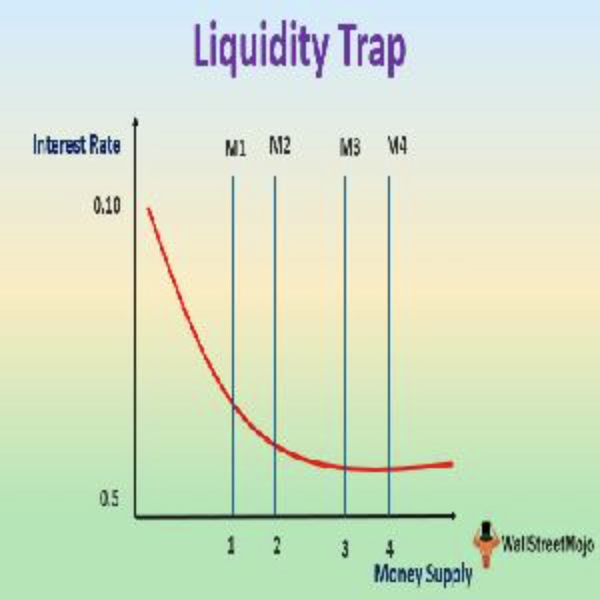
ROP policies restrict access to funds tied up in illiquid contracts. Unlike other investments, the premiums you build up cannot be accessed without facing penalties. This poses a significant issue for wealthy individuals: the need for quick cash can arise from opportunities such as purchasing a company, investing in a startup, or buying property. Committing $15,000 each year to an ROP policy might lead to missing out on a 20% profit from a private equity investment. Moreover, if you pass away before the policy term concludes, your beneficiaries will receive the death benefit but not the accumulated premiums, meaning that the costs incurred won't provide any real advantage when it's most needed. While premium policies with a cash value, like whole life insurance, allow for some liquidity, ROPs do not offer this kind of flexibility.
Misaligned Incentives for Affluent Needs
ROP policies take a universal approach and do not consider the specific risks associated with wealth. These policies neglect important areas such as estate taxes, costs of succession planning for businesses, and international obligations—issues that are often more significant than a refund on premiums. A more effective strategy is to redirect the savings from opting out of ROP towards establishing a trust or purchasing umbrella insurance to shield assets from legal actions. For instance, a ROP policy worth $5 million over 20 years costs $300,000. In contrast, spending $150,000 on term life insurance and another $150,000 on a $20 million umbrella policy offers significantly greater protection, while also allowing funds for investment. ROPs favor premium refunds instead of offering suitable coverage, which does not align well with those in need of customized protection.

Return-of-premium insurance may seem appealing because it addresses the concern of “not wasting money,” but this concept is misleading for wealthy individuals. Its high costs, lost investment opportunities, and inflexible terms make it unsuitable for those prioritizing growth, adaptability, and focused protection. For the majority of people, a wiser choice is to keep insurance and savings separate: invest in affordable term coverage for security, and allocate the remaining funds to cultivate wealth.