For individuals with considerable wealth, an insurance agreement transcends a mere written contract; it represents a commitment aimed at protecting both legacy and tranquility. However, numerous affluent clients tend to ignore important stipulations, resulting in unexpected expenses during claims processing. Grasping these frequently neglected provisions is not merely a matter of responsibility; it serves as a strategic safeguard for your most cherished assets.
The Difference Between "Occurrence" and "Claims-Made"
Insurance policies typically fit into one of two classifications: occurrence (which covers incidents that take place within the policy duration, no matter when claims are made) or claims-made (which offers protection only for claims made while the policy is in effect). For those possessing valuable items like art or business assets, occurrence policies provide lasting reassurance, even if a claim arises years after the fact. In contrast, claims-made policies necessitate careful renewals to prevent coverage gaps, particularly regarding emerging risks such as cyber threats.
Affluent clients often face intricate health backgrounds, rendering clauses concerning pre-existing conditions vital. Insurers may categorize these as ailments "that were known or should have been recognized"—an ambiguous criterion that might spark disagreements. It is advisable to search for policies that include wording regarding "objective manifestation," which stipulates that symptoms must be authenticated by a medical professional before coverage begins, thus ensuring stronger protection.
Clauses pertaining to subrogation allow insurers to reclaim expenses from third parties responsible for damages (such as a careless contractor harming your property). This is significant for high-net-worth individuals who may have personal or business connections with the party at fault. Certain policies may permit you to forgo subrogation, maintaining these relationships while still ensuring coverage—an aspect worth discussing during negotiations.
Inflation Protectors for Physical Assets
Luxury possessions like premium real estate, classic automobiles, or wine collections tend to increase in value over time. Standard insurance policies might limit reimbursements to the initial insured amount, potentially leaving you underprotected. It is beneficial to seek coverage that includes guaranteed replacement cost clauses or inflation adjustments linked to market indices (such as art market measures) to make sure your policy keeps up with the growth of your assets.
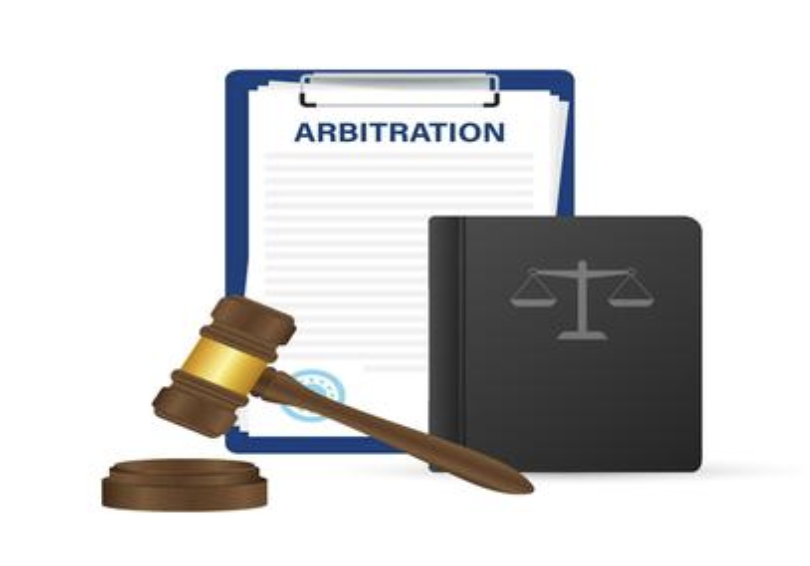
Numerous contracts stipulate arbitration as the means for resolving claim-related disputes, avoiding court involvement. Although arbitration can be quicker, it restricts your options for appealing decisions and may favor insurance companies. For significant claims (such as losses exceeding $1M), it is wise to negotiate a "choice of forum" clause that allows for litigation, providing greater control over the procedures and potential results.
Terms for Grace Periods and Reinstatement
Falling behind on premium payments may lead to a lapse in coverage, yet reinstatement terms differ significantly across policies. A number of plans mandate a complete medical underwriting process again, which could result in rejections due to new health conditions. High-end policies might offer conditional reinstatement—allowing for claims after a designated waiting time—if back premiums are paid on time. This flexibility is crucial for busy individuals who might miss a payment.

Final Thought: Personalize, Do Not Settle
Affluent clients ought to avoid accepting standardized contracts. Carefully examine these essential clauses and collaborate with brokers who are adept at providing customized coverage. By comprehending the intricate details, you can turn an insurance policy from a standard document into a personalized safeguard for your wealth and inheritance.
