A lot of people see insurance as just another cost that they have to pay regularly. It gives them protection, but they feel there’s no real benefit from it. Rich people, though, might not see the whole picture. They understand that the right types of insurance can be important parts of a well-rounded investment strategy, helping to keep their wealth safe, grow it, and plan for future generations in ways that usual investments can’t.

The Asset-Like Properties of Insurance
In addition to reducing risk, some insurance products have features that make them valuable as assets. Permanent life insurance plans build cash value that increases without being taxed, often matching the growth rates of fixed-income investments. This cash can be accessed via loans or withdrawals, allowing for easy access without creating taxable situations, which improves the flexibility of the portfolio. Unlike more unstable market assets, this cash value remains stable during economic challenges, providing a financial safety net that helps keep capital intact when other investments vary. For wealthy individuals, these policies offer more than just protection; they serve as a distinct asset category with special risk and return characteristics.
Insurance in Portfolio Diversification
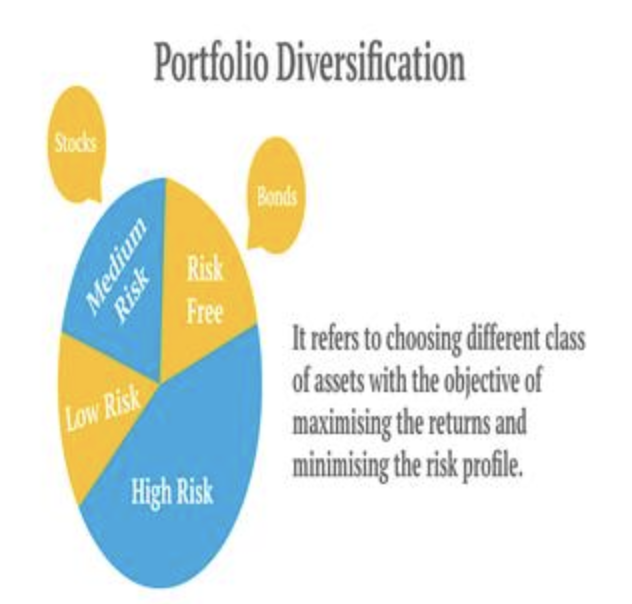
Modern portfolio theory highlights the importance of diversifying investments across assets that do not move together, with insurance being an important part of this approach. Typical investment portfolios contain stocks, bonds, and real estate, all of which are affected by economic fluctuations. However, insurance products, especially those that offer guaranteed benefits, deliver returns that do not depend on market performance. This helps lower the overall volatility of the portfolio. During difficult times, when stock markets fall, the cash values or payouts from insurance policies stay stable, providing enough funds to meet expenses or take advantage of investment chances that come up during downturns. This characteristic of being non-correlated makes insurance crucial for achieving real diversification.
Tax Efficiency and Wealth Preservation
For wealthy individuals, optimizing taxes is essential in managing their assets, and insurance plays a vital role. When set up correctly in trusts, life insurance benefits go to beneficiaries without being taxed on income or estate. The cash value that grows within these policies does not incur annual capital gains taxes, which helps to grow wealth more effectively over time. Some policies allow tax-free exchanges as per Section 1035, enabling changes to coverage without incurring taxes. These tax benefits establish insurance as a valuable method for maintaining wealth across generations, acting as a tax-friendly asset that boosts after-tax returns throughout the whole portfolio.

Mitigating Invisible Risks to Asset Value
Every investment portfolio encounters risks that traditional assets often overlook, such as longevity concerns, liability threats, and costs related to estate settlement. Insurance serves as a direct safeguard against these risks, helping to maintain the value of other holdings. For example, long-term care insurance can protect retirement funds from being drained by prolonged medical needs. Meanwhile, umbrella liability policies guard investments against severe legal issues. Life insurance offers quick access to funds needed for estate taxes, preventing the rushed sale of businesses or properties at compromised prices. Thus, insurance plays a crucial role in sustaining the overall asset value, allowing other investments to thrive without the need to address unforeseen liabilities.
For those with a strong understanding of finance, seeing insurance as part of an asset strategy changes its perception from an unwelcome cost to an important investment. By providing stability, diversity, tax advantages, and risk protection, insurance improves the performance of a portfolio while safeguarding wealth. Today, in the realm of wealth management, the strongest portfolios do not just include insurance; they incorporate it as a key asset that fortifies and maintains the entire financial framework.
